
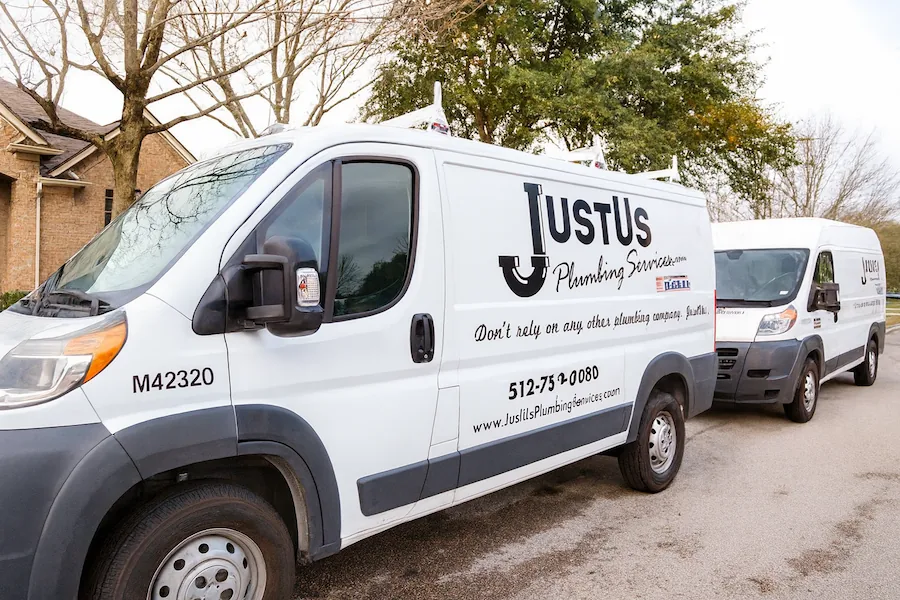
A failing water heater can turn your morning routine upside down. Cold showers, dishes that never seem to get clean, and unexpected leaks can quickly become frustrating problems for your household. If your current unit is nearing the end of its service life, installing a new water heater can restore dependable hot water and help you avoid recurring problems.
At JustUs Plumbing, we understand that replacing a major home appliance can raise questions about cost, timing, and what happens inside your home during the installation. Our goal is to make the process straightforward by explaining your options, preparing your plumbing system, and ensuring your new equipment is installed correctly.
If you are considering professional water heater installation in Round Rock, TX, understanding the process can help you prepare for everything from the initial assessment to the final system checks.
Assessing Your Home's Hot Water Needs
Before we install a new water heater, we need to understand your household's hot water demands and existing plumbing setup. Simply choosing a unit that matches your old water heater's size may not provide the best results, particularly if your household's needs have changed.
Evaluating Water Heater Capacity and Type
We consider factors such as the number of occupants, daily hot water usage, available installation space, and the energy source serving your home. These details help us recommend a system that balances performance, efficiency, and budget.
Your options may include:
- Traditional tank water heaters: These units store heated water in a tank, making them a familiar choice for many households.
- Tankless water heaters: These systems heat water on demand instead of storing a large volume of hot water.
- Different fuel options: Depending on your home's existing utilities and installation requirements, a gas or electric model may be appropriate.
For example, a family that frequently runs the shower, washing machine, and dishwasher around the same time may need a different capacity or recovery rate than a smaller household with lighter hot water demands.
We explain the available options so you can make an informed decision before work begins. If you are interested in switching to an on-demand system, explore our tankless water heater installation services in Round Rock, TX.
Reviewing the Installation Plan and Estimate
Once we understand your needs, we review the proposed installation and explain the work involved. We believe homeowners should know what they are paying for and why particular equipment or modifications may be necessary.
Your estimate will depend on the water heater selected, the complexity of the installation, and the condition of the existing connections. A straightforward replacement may require less work than switching from a tank system to a tankless model.
Before approving the project, ask us to clarify:
- The selected water heater model, capacity, and fuel type.
- Labor, equipment, and materials included in the estimate.
- Whether removing and disposing of the old unit is included.
- Whether plumbing, electrical, gas-line, or venting modifications are needed.
- Any applicable permit, inspection, and warranty requirements.
We can also discuss available financing options if you need flexibility when budgeting for a replacement. Reviewing these details in advance helps reduce surprises and keeps everyone aligned on the project's scope.
Preparing the Installation Area
Before installation begins, we identify any access or safety considerations around the existing water heater. Homeowners can help by clearing nearby belongings and providing an unobstructed path to the equipment.
Depending on the location of your unit, preparation may involve moving stored items from a utility closet, garage, or other installation area. We also assess whether the existing space can accommodate the new equipment and any required clearances.
During this stage, we determine what needs to be disconnected and how the work area can be protected. Water and the appropriate energy source will be shut off as necessary before the existing unit is removed.
If we identify an issue that could affect the installation, we explain the concern and discuss the next steps before proceeding with additional work.
Removing the Old Water Heater
When replacing an existing unit, we begin by safely disconnecting it from the water supply and its energy source. The tank must be drained before removal, and the appropriate precautions depend on whether the unit uses gas or electricity.
After disconnecting the necessary connections, we remove the old water heater from its location. This step requires care because a water heater can be heavy, especially when it contains residual water or sediment.
Once the old unit is out, we can inspect the accessible plumbing connections and installation area for issues that could affect the new equipment.
For example, corroded fittings or connections that no longer match the replacement unit may need attention before installation can continue. Identifying these concerns early helps us avoid overlooking problems that could contribute to future leaks.
Installing and Connecting the New Water Heater
With the installation area prepared, we position the replacement unit and connect it to the home's plumbing and appropriate energy supply.
Making Proper Plumbing and Safety Connections
The specific work depends on the type of water heater and the existing setup. Our installation process may involve:
- Connecting the cold-water supply and hot-water outlet.
- Checking or updating fittings and shutoff components as needed.
- Installing or verifying the temperature and pressure relief valve and its discharge piping.
- Connecting the gas or electrical supply according to the equipment requirements.
- Confirming appropriate venting for applicable fuel-burning models.
- Addressing required drainage, support, and other code-related installation details.
Not every installation requires the same modifications. A like-for-like replacement may use much of the existing setup, while a system conversion may require additional work.
We follow the requirements applicable to the equipment and installation, including relevant local codes and manufacturer instructions. Proper connections are essential because mistakes can result in water leaks, unsafe operation, poor performance, or equipment damage.
Testing the System Before We Finish
Installing the unit is only part of the job. Before considering the project complete, we check that the new water heater is connected correctly and operates as intended.
Our checks may include inspecting water connections for leaks, verifying the relevant gas or electrical connections, and confirming that safety components and venting are properly installed where applicable.
We also verify that the unit starts and heats water according to its operating requirements. A tank-style heater needs time to heat its stored water, while a tankless model heats water as it flows through the system.
We do not assume that a unit is ready simply because it powers on. Testing helps us identify installation issues before we finish the job and gives you greater confidence in your new equipment.
Learning How to Use and Care for Your New Water Heater
Before wrapping up, we explain the important features of your new system and answer your questions about everyday operation.
We can review the manufacturer's operating instructions, temperature settings, and any controls relevant to your model. We also explain what maintenance the equipment may need and how to recognize signs that professional attention is necessary.
For homeowners in Round Rock, TX, it is worth discussing mineral buildup as part of long-term water heater care. Mineral deposits can accumulate inside tank-style heaters and affect some tankless components, so understanding how Round Rock’s water conditions affect your water heater can help you determine the appropriate maintenance schedule for your system.
We also recommend keeping your installation documents and warranty information in an accessible place. Understanding the manufacturer's requirements can help you maintain coverage and plan future service.
For additional help, visit our water heater services page to learn more about the solutions we provide.
Frequently Asked Questions About Water Heater Installation
What factors can affect the total cost of a water heater installation?
Are permits required for water heater installation in Round Rock, TX?
Will installing a new water heater affect my manufacturer's warranty?
How do I choose the right water heater for my household?
