
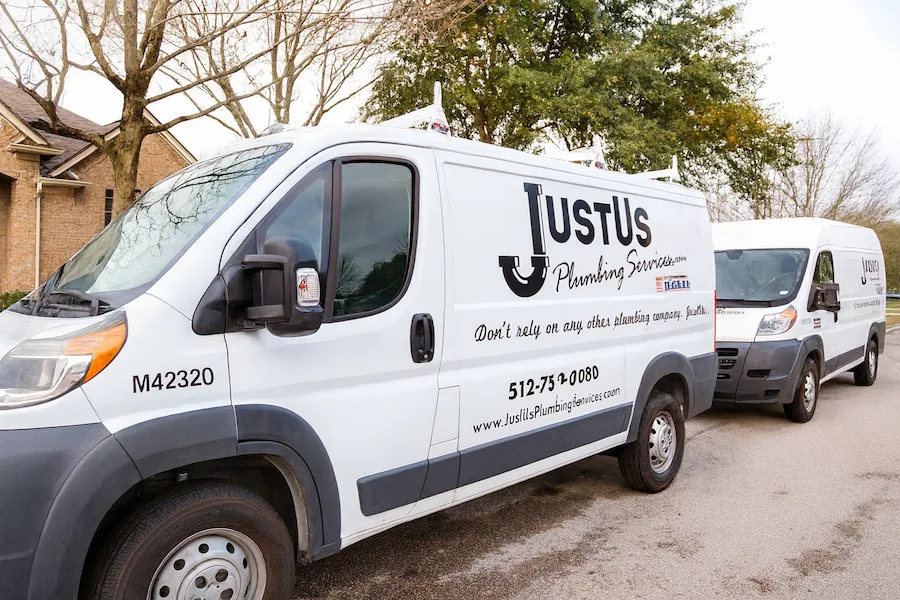
It is the plumbing problem no homeowner wants to face: sewage backing up into your tub on a weekend, a foul smell creeping through the house, and the sinking realization that this is not a clog a plunger will fix. When a main sewer line collapses or fails, every hour matters, and the unknowns can feel overwhelming. At JustUs Plumbing, we respond to these calls across Round Rock, TX, and we have learned that homeowners handle the situation far better when they know what is coming. This guide walks you through exactly what to expect from an emergency sewer line replacement, from the first phone call to the final cleanup.
What Counts as a Sewer Line Emergency?
Not every slow drain is a crisis. The key difference is whether you are dealing with a single clogged fixture or a failure in the main line that serves your entire home. A true sewer emergency usually involves one or more of these:
- Raw sewage backing up into tubs, showers, or floor drains
- Multiple fixtures failing at the same time, with no drain working properly
- Standing wastewater or a strong sewage odor inside the home
- Water or sewage pooling in the yard above the pipe's path
These situations are more than an inconvenience. Sewage exposure carries real health risks, including bacteria and viruses that can make your family or pets sick. Once waste is entering living spaces, the line needs immediate professional attention rather than another round of snaking.
Why Sewer Line Failures Turn Into Emergencies
Sewer lines rarely fail without warning. They deteriorate gradually, and the emergency is usually the final stage of a problem that has been building for months or years. The most common culprits we see in Round Rock include:
- Aging pipe materials. Homes built decades ago often still have clay, cast iron, or Orangeburg pipe that has reached the end of its lifespan.
- Shifting clay soil. Central Texas's expansive clay swells and contracts with moisture changes, stressing and cracking buried pipes over time.
- Tree root intrusion. Roots seek out the water inside your line, working into cracks and joints until they block or break the pipe. A sewer video inspection is the surest way to catch this early.
The hard truth is that a damaged sewer line will not heal itself. Acting at the first warning sign lets you plan the work on your schedule and budget. Wait until it collapses, and you are paying emergency rates while cleaning sewage out of your home.
What to Expect During an Emergency Sewer Line Replacement
Even under pressure, a proper replacement follows essential steps to protect your safety and meet code. Here is how our process unfolds.
Rapid Inspection and Diagnosis
We start by feeding a high-definition camera into the line to locate the failure, measure how far the damage extends, and confirm whether a section or the entire line needs to be replaced. This removes the guesswork and tells us the most efficient path forward.
Permitting and Planning
Sewer work in Round Rock requires city permits, and replacements must connect properly to the municipal system. We handle the paperwork for you and map out underground utilities so water, gas, and electrical lines are not disturbed during the work.
Choosing the Replacement Method
Based on the camera findings, soil conditions, and the position of your line, we recommend either a trenchless or a traditional approach. We explain the tradeoffs in plain terms so you can make an informed decision before any digging begins.
Installation and Testing
The crew installs durable, modern piping such as PVC or HDPE, which resists corrosion and root intrusion. Every new line is water-tested and inspected to confirm proper slope, flow, and code compliance before the job is considered done.
Cleanup and Restoration
Finally, we restore the work area, backfilling trenches or access pits and leaving your property as close to its original condition as possible. You should also expect clear communication at each stage so there are no surprises.
Trenchless vs. Traditional Sewer Line Replacement
One of the biggest questions homeowners ask is how the new line actually gets installed. The right method depends on the condition of your pipe.
Trenchless replacement uses one or two small access points instead of a long open trench. Pipe bursting breaks apart the old pipe while pulling a seamless new one into place, which preserves your lawn, driveway, and landscaping. It is ideal when the line's path is intact but the pipe itself is failing, and it typically finishes faster with far less surface damage.
Traditional excavation digs a trench to expose and remove the old pipe before laying a new one. It is the necessary choice when a line is fully collapsed, crushed, or badly misaligned, since trenchless tools need a usable path to work. It takes longer and disturbs more of the property, but for severe failures it is often the only reliable option.
For damage that is limited to a specific spot, a full replacement may not even be needed. In those cases a targeted sewer line repair can restore the line at lower cost.
How to Prepare Your Home for the Work
A little preparation makes the day go smoother. Before the crew arrives, it helps to:
- Clear access to the cleanout, yard, and any work or parking areas
- Move vehicles and protect valuables near the work zone
- Plan for limited water use while the line is offline
- Keep inspection photos, permits, warranties, and invoices together for your records
Frequently Asked Questions
Does homeowners insurance cover emergency sewer line replacement?
What should I do the moment sewage starts backing up?
Will I have to leave my home during the replacement?
How can I keep this from happening again?
